net zero carbon transition

Voilàp's decarbonization path towards renewable sources, energy efficiency and decarbonization of production processes
2025
progress vs 2021 baseline
3,956 Tons CO₂eq (Scope 1 and 2, market-based): our footprint is decreasing
-29%
89.2% energy from renewable sources: almost all our energy is green
+84.6 p.p.
16.6% self-produced energy: increasingly independent
+14 p.p.
our initiatives
photovoltaic panels
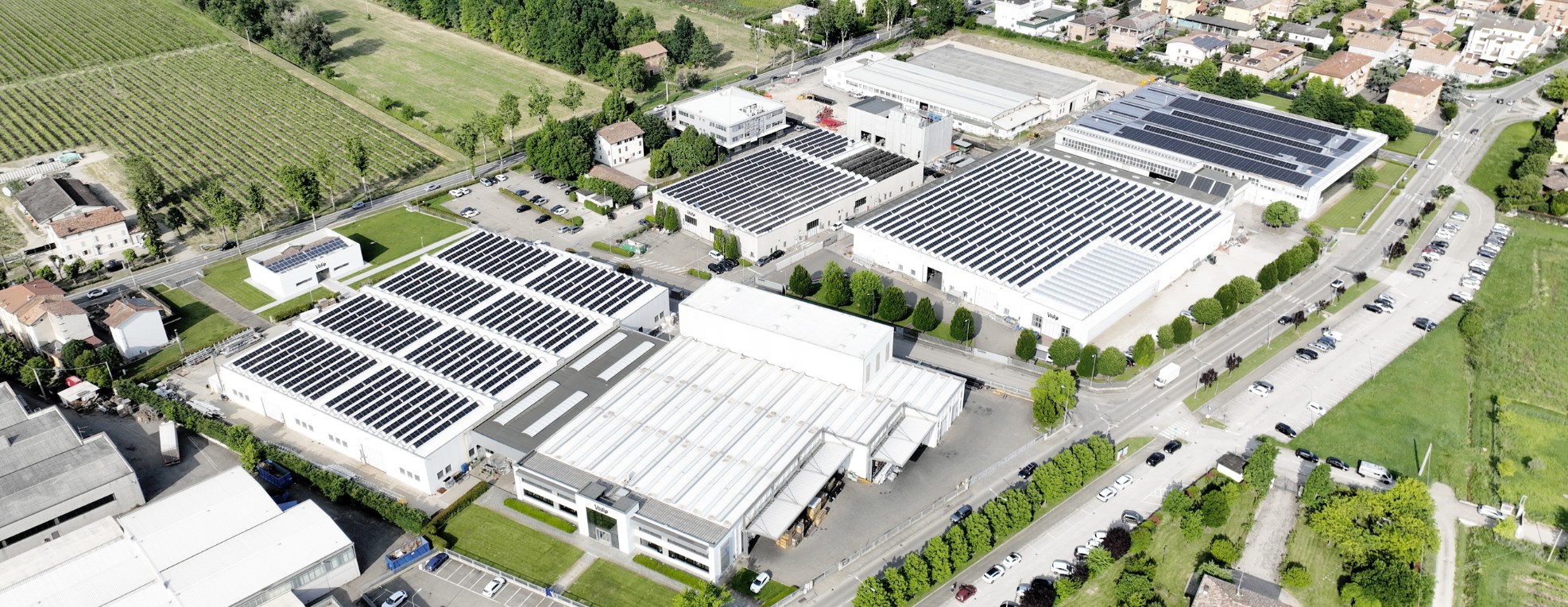
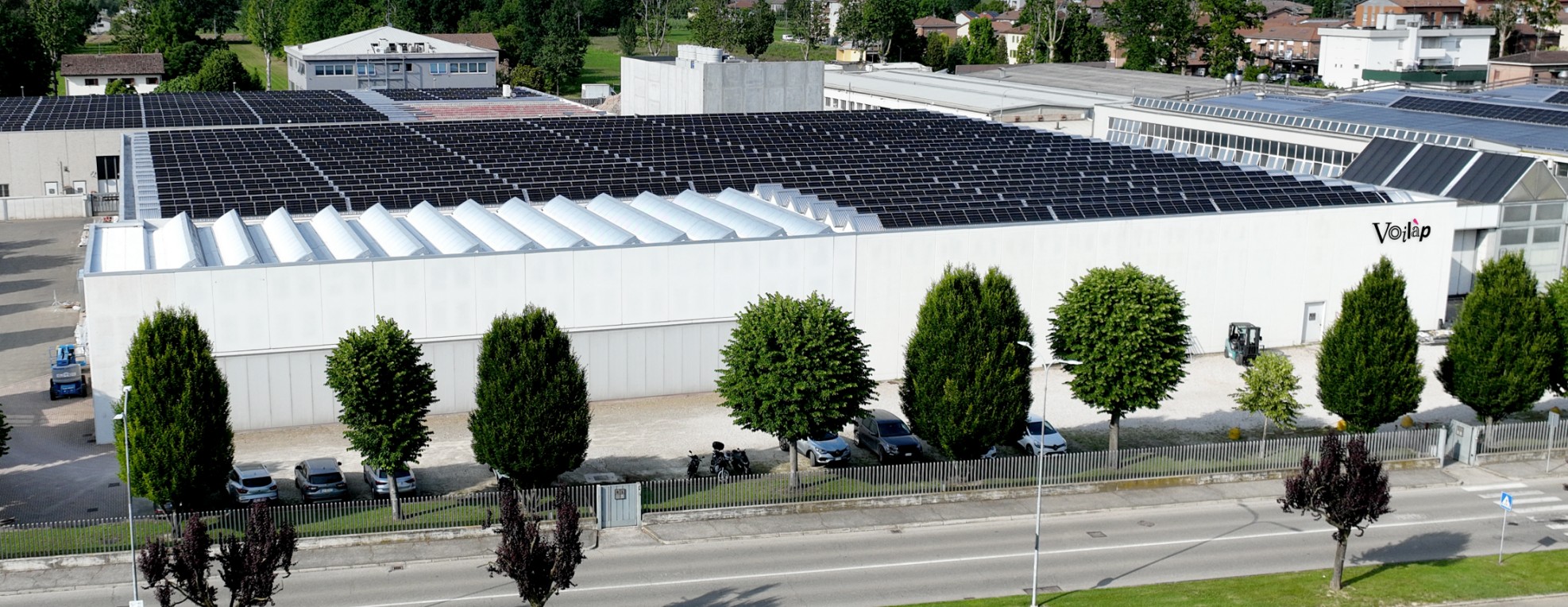
More energy from the sun, fewer emissions from industry. Voilàp has installed photovoltaic systems in Limidi, Carpi, Rimini, Fiesco and Mühlacker, exceeding 8,000 m² of covered surface. In 2025, the Limidi plant alone – with 1.5 MW installed overall between 2023 and 2024 – avoided the emission of approximately 169 tCO₂eq. An expansion programme with clear objectives: reducing emissions, energy dependence and operating costs.
certified green energy option
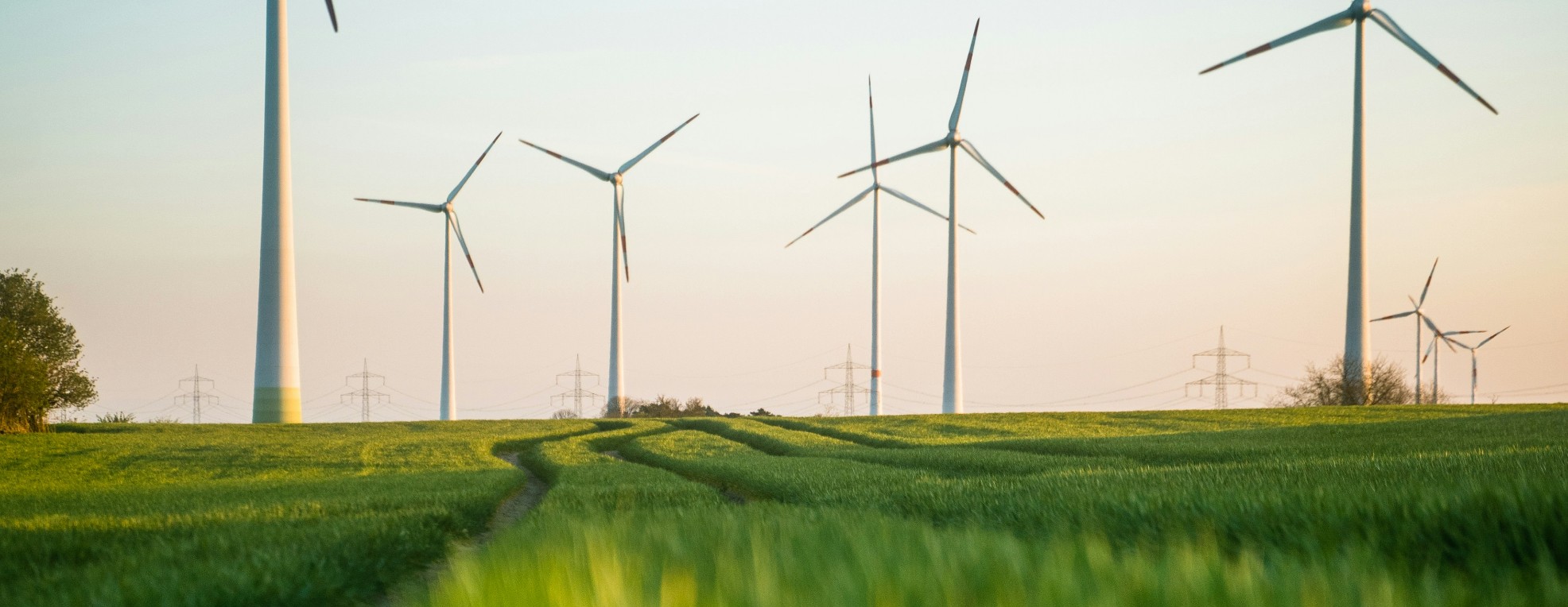
Since April 2024, all energy purchased from third parties for Voilàp’s European production sites has come 100% from certified renewable sources – with support, in Italy, for EKOenergy climate projects.
We did not stop there: from the second half of 2024, the “green” option was extended to the Group’s main commercial hubs and, in 2025, to the new companies included in the scope. The result? 89.2% of all energy consumed by Voilàp today is renewable.

domotics and bms
The energy efficiency path of Voilàp plants is based on a Building Management System (BMS) that monitors consumption, temperature, lighting and machinery in real time, optimising every parameter according to internal and external conditions. Started in Limidi, the system will be extended to all production sites by 2027.
The figures are clear: monitored energy consumption decreased from 1,635,387 kWh in 2022 to 1,216,009.8 kWh in 2025. Over the same period, the new condensing thermal power plant – completed in 2025 – reduced gas consumption from 274,460 to 208,942 m³, avoiding 135.4 tCO₂eq in one year. The new inverter compressors integrated into the BMS contribute a further -20% energy saving.
Main results achieved
‣ -26% consumption and emissions thanks to the BMS system.
‣ 75.5 tCO₂eq avoided between 2022 and 2025 on monitored consumption.
‣ -23.9% gas consumption with the new condensing thermal power plant.
‣ 135.4 tCO₂eq avoided between 2024 and 2025 on heating consumption.
‣ ~ -20% energy saving thanks to inverter compressors.
‣ LED lighting, insulation and shed roofs complete the picture.
sustainable finance
Voilàp has successfully signed two financing contracts falling within the category of sustainable and responsible investments ('SRI'):
‣ Green Bond: in the first quarter of 2023, to finance the roof insulation project of the Limidi plants and facilities, in order to reduce heat transfer and preserve energy, with direct positive impacts on the environment;
‣ Sustainability Linked-Bond: in May 2024, financing the complete renewal of the internal climate optimization system and domotics to improve energy efficiency and increase the well-being and safety of our employees.
The credit line is aligned with the group's commitment against climate change, with a variable margin based on achieving our sustainability goals.
to our sustainability goals
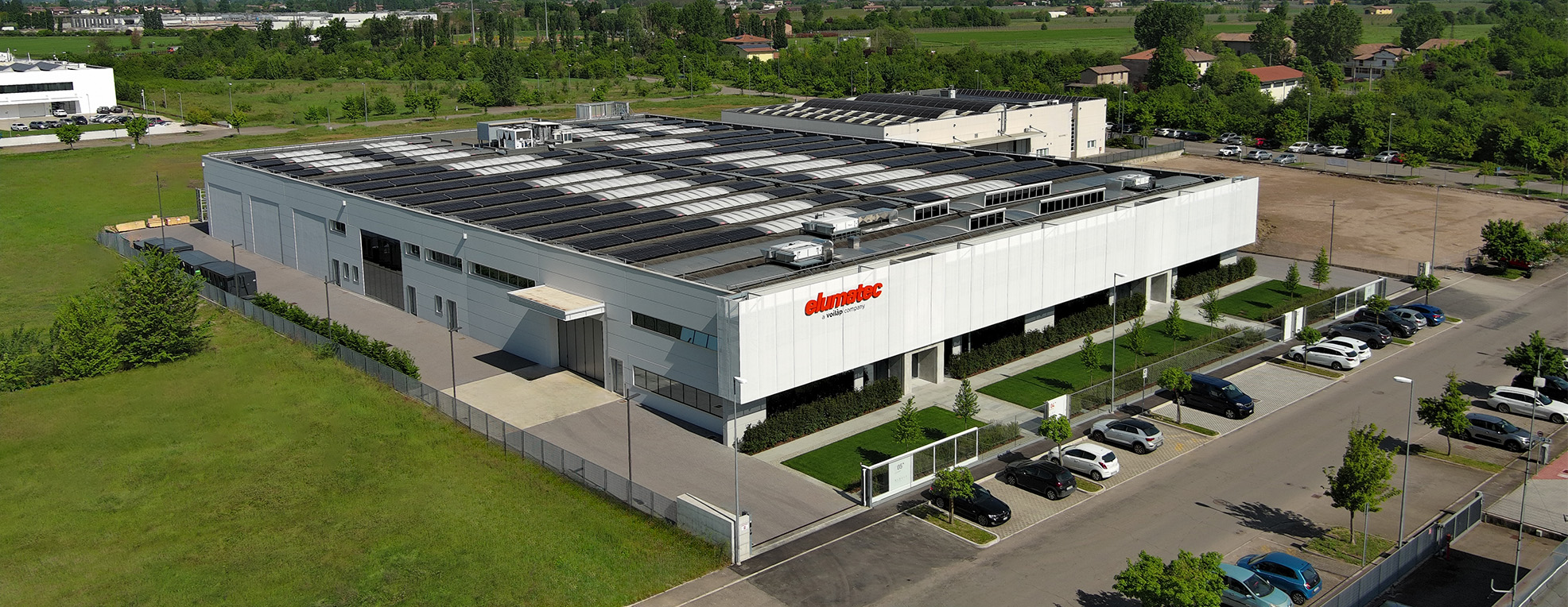
smart factory
Technology, efficiency, comfort and sustainability are the key pillars of the new smart factory of elumatec Italia in Carpi (MO), inaugurated in 2024. Equipped with BMS, heat pumps with radiant panels, photovoltaic system covering over 75% of annual needs, LED lighting and an optimized layout to ensure efficiency and safety, this plant embodies Voilàp's future factory concept, a replicable model in all Group sites.

Scope 3 Emissions
In 2025, Voilàp completed the Scope 3 emissions mapping process, strengthening its ability to measure and understand the indirect impacts generated along the entire value chain. The Group’s Scope 3 emissions amounted to 476,350 tCO₂e and are mainly concentrated in two categories: the use of sold products and the purchase of goods and services. This work enables the Group to identify priority areas for action more precisely and to guide future reduction initiatives, both in the development of more efficient products and in the progressive engagement of the supply chain.